Introduction
The IT industry continues to evolve rapidly, creating new opportunities for professionals who can demonstrate verified skills. While experience remains important, certifications help employers identify candidates who possess industry-recognized knowledge and practical abilities.
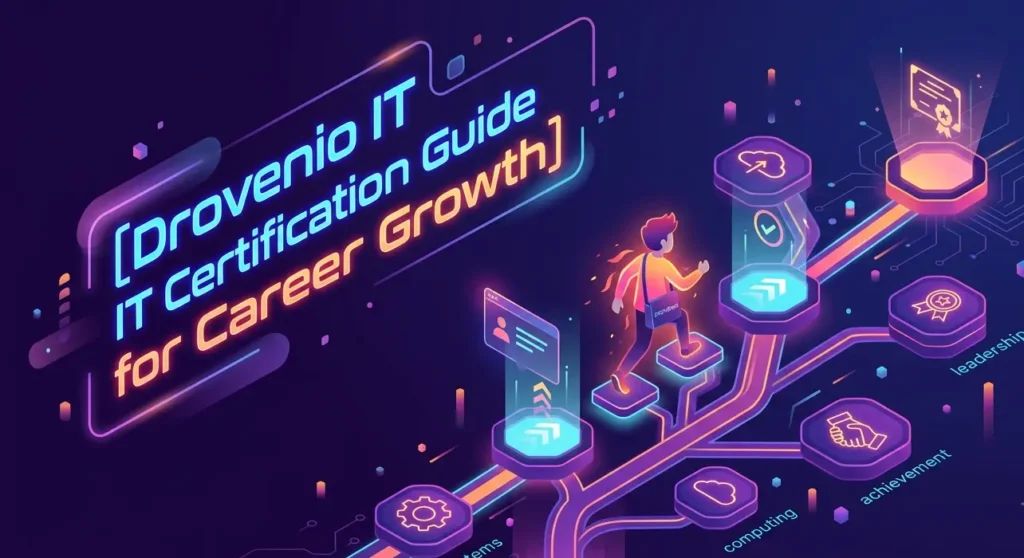
This Drovenio IT Certification Guide explains the most valuable certifications, how to choose the right path, study strategies, career benefits, and common mistakes to avoid. Whether you are a beginner entering technology or an experienced professional looking to advance, a structured certification plan can help accelerate your career growth.
Why IT Certifications Matter
Technology employers receive hundreds of applications for a single position. Certifications help candidates stand out by validating technical expertise through standardized testing.
Key benefits of IT certifications include:
- Increased job opportunities
- Better salary potential
- Stronger professional credibility
- Improved technical knowledge
- Faster career progression
- Greater confidence during interviews
Many organizations use automated applicant tracking systems to filter resumes. Recognized certifications often help candidates pass these initial screening processes.
Understanding the IT Certification Landscape
Before selecting a certification, it is important to understand the major technology career paths.
IT Support and Help Desk
Ideal for beginners entering the industry.
Popular certifications:
- CompTIA A+
- Google IT Support Professional Certificate
- Microsoft 365 Fundamentals
Networking
Focused on managing and maintaining network infrastructure.
Popular certifications:
- CompTIA Network+
- Cisco Certified Network Associate (CCNA)
- Juniper Certifications
Cybersecurity
One of the fastest-growing sectors in technology.
Popular certifications:
- CompTIA Security+
- Certified Ethical Hacker (CEH)
- Certified Information Systems Security Professional (CISSP)
Cloud Computing
Organizations increasingly rely on cloud services for operations and scalability.
Popular certifications:
- AWS Certified Cloud Practitioner
- AWS Solutions Architect Associate
- Microsoft Azure Administrator
- Google Cloud Digital Leader
Software Development
Designed for developers seeking specialized credentials.
Popular certifications:
- Microsoft Certified Developer Certifications
- Oracle Java Certifications
- AWS Developer Associate
Artificial Intelligence and Data
A rapidly expanding field with strong demand worldwide.
Popular certifications:
- Microsoft AI Fundamentals
- Google AI Essentials
- IBM Data Science Professional Certificate
- Azure AI Engineer Associate
Best IT Certifications for Beginners
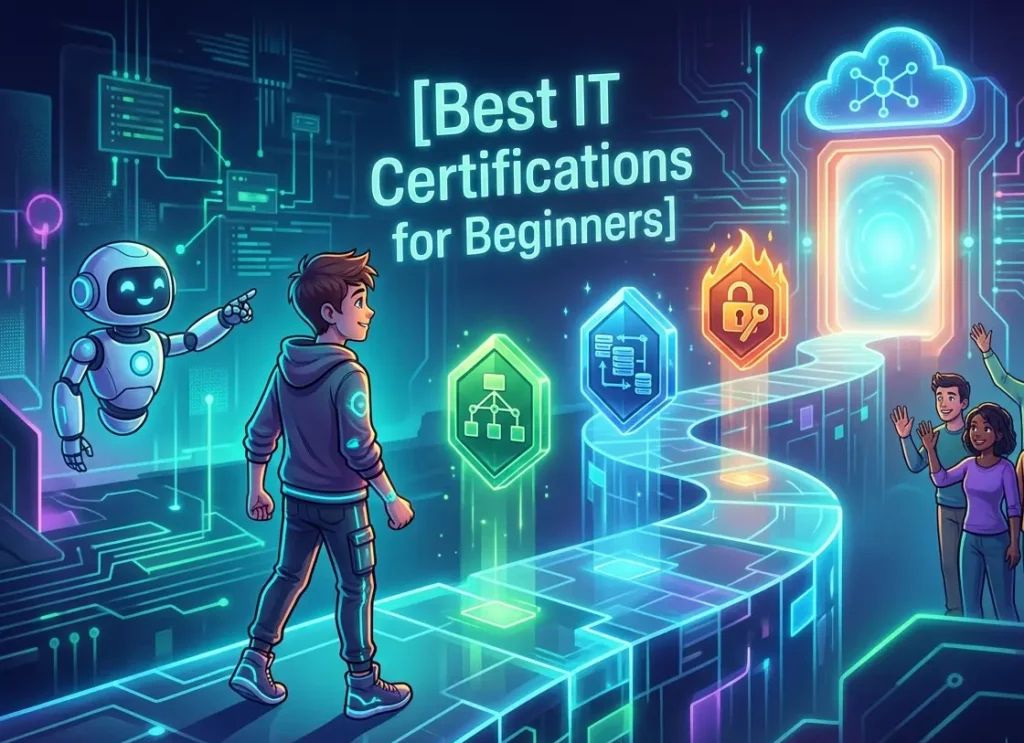
For newcomers, starting with foundational certifications creates a strong knowledge base.
CompTIA A+
CompTIA A+ remains one of the most respected entry-level certifications. It covers:
- Hardware troubleshooting
- Operating systems
- Networking basics
- Security fundamentals
- Technical support skills
Google IT Support Professional Certificate
This certification provides practical, hands-on learning and introduces essential IT concepts.
Benefits include:
- Beginner-friendly structure
- Affordable learning path
- Real-world troubleshooting exercises
Microsoft 365 Fundamentals
A valuable choice for understanding cloud productivity environments used by businesses globally.
Intermediate Certifications for Career Growth
After gaining foundational knowledge, professionals should specialize based on career goals.
CompTIA Network+
Network+ validates networking concepts and infrastructure management skills.
CompTIA Security+
Security+ is often considered the gateway into cybersecurity careers.
Skills covered:
- Threat management
- Risk assessment
- Network security
- Incident response
Cisco CCNA
CCNA remains highly respected for networking professionals seeking advanced technical expertise.
Advanced Certifications for Experienced Professionals
Professionals aiming for leadership or specialized roles should consider advanced certifications.
CISSP
CISSP is recognized globally as a leading cybersecurity certification.
It is particularly valuable for:
- Security managers
- Security consultants
- Information security leaders
AWS Solutions Architect Professional
Designed for cloud architects responsible for complex cloud infrastructure.
Microsoft Certified Cybersecurity Architect
Suitable for professionals responsible for designing enterprise security systems.
Certification Roadmap for IT Professionals
Following a structured progression helps avoid unnecessary certifications.
Stage 1: Foundation
Recommended certifications:
- Google IT Support
- CompTIA A+
- Microsoft Fundamentals
Stage 2: Core Technical Skills
Recommended certifications:
- CompTIA Network+
- CompTIA Security+
- CCNA
Stage 3: Specialization
Choose one focus area:
- Cybersecurity
- Cloud Computing
- Software Development
- Data Analytics
- Artificial Intelligence
Stage 4: Advanced Expertise
Pursue advanced certifications aligned with your role and industry demand.
IT Certification Comparison Table
| Certification | Level | Career Path | Difficulty | Career Impact |
|---|---|---|---|---|
| CompTIA A+ | Beginner | IT Support | Easy | High |
| Google IT Support | Beginner | IT Support | Easy | Medium |
| Network+ | Intermediate | Networking | Medium | High |
| Security+ | Intermediate | Cybersecurity | Medium | Very High |
| CCNA | Intermediate | Networking | Medium-High | Very High |
| AWS Cloud Practitioner | Beginner | Cloud | Easy | High |
| AWS Solutions Architect | Intermediate | Cloud | Medium | Very High |
| CISSP | Advanced | Cybersecurity | Hard | Excellent |
How Long Does It Take to Earn IT Certifications?

Preparation time varies depending on experience and certification complexity.
Typical study timelines:
- CompTIA A+: 2–4 months
- Network+: 2–3 months
- Security+: 3–5 months
- CCNA: 4–6 months
- AWS Cloud Practitioner: 1–2 months
- CISSP: 6–12 months
Consistency is more important than studying long hours occasionally.
How to Prepare for Certification Exams
Create a Study Schedule
Break exam objectives into manageable weekly goals.
Use Practice Exams
Practice tests help identify weak areas and improve exam confidence.
Build a Home Lab
Hands-on experience strengthens theoretical understanding.
Examples include:
- Virtual machines
- Cloud trial accounts
- Network simulators
- Security practice labs
Follow Official Exam Objectives
Always study according to the certification provider’s latest exam blueprint.
Common Certification Mistakes to Avoid
Many candidates delay their progress by making avoidable mistakes.
Common errors include:
- Pursuing too many certifications at once
- Ignoring practical experience
- Memorizing answers instead of understanding concepts
- Skipping practice exams
- Choosing certifications unrelated to career goals
A focused certification strategy typically delivers better long-term results.
Certification Renewal and Continuing Education
Many certifications require periodic renewal to ensure professionals remain updated with industry changes.
Ways to maintain certifications include:
- Continuing education credits
- Renewal exams
- Advanced certifications
- Professional development programs
Always review renewal requirements before investing in a certification.
How Certifications Impact Salary
Certified professionals often qualify for higher-paying positions because employers value verified expertise.
High-paying certification categories include:
- Cybersecurity
- Cloud Computing
- Artificial Intelligence
- Enterprise Networking
- Cloud Architecture
The combination of certification, experience, and practical skills generally produces the strongest earning potential.
Choosing the Right Certification for Your Career Goals
Ask yourself the following questions before selecting a certification:
- Which technology field interests me most?
- Am I a beginner or experienced professional?
- What jobs are available in my region?
- Which certifications do employers request most often?
- What is my long-term career objective?
Choosing certifications that align with career goals leads to better outcomes than following industry trends alone.
Frequently Asked Questions
What is the best certification for beginners?
CompTIA A+ is widely regarded as one of the best starting points for new IT professionals.
Is Security+ worth it?
Yes. Security+ remains one of the most recognized cybersecurity certifications and is valued by employers worldwide.
Can certifications help me get a job without a degree?
Certifications can significantly improve employment opportunities, especially when combined with practical projects and experience.
How many certifications should I earn?
Focus on one certification at a time and build a structured roadmap rather than collecting unrelated credentials.
Which certification has the highest career value?
The answer depends on career goals, but CISSP, AWS Solutions Architect, CCNA, and Security+ consistently rank among the most respected options.
Conclusion
A successful technology career requires continuous learning, and certifications provide a proven way to validate your skills. This Drovenio IT Certification Guide demonstrates that the best approach is not collecting every certification available but choosing credentials that align with your career goals. Start with foundational certifications, develop practical experience, specialize in a high-demand field, and continue building expertise over time. With the right roadmap, certifications can become a powerful tool for opening doors to better opportunities, stronger earning potential, and long-term career success in the IT industry.